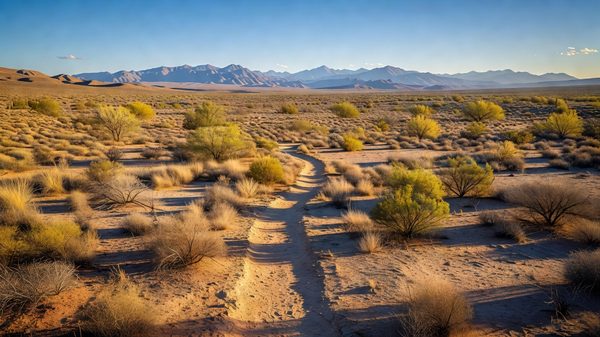
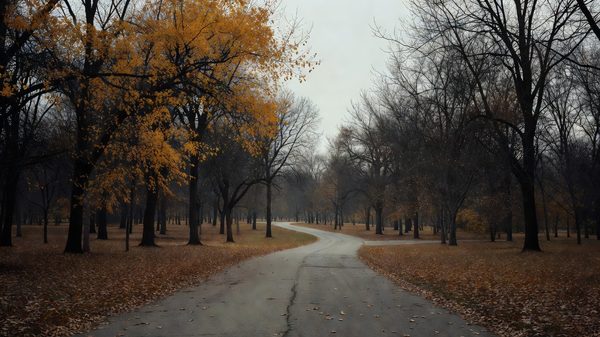
Thanksgiving falls on Thursday, November 26 this year, and the national parks sort themselves into two groups that week. Desert and southern parks are at the start of their best season and draw some of their biggest crowds of the year. Mountain parks have mostly shut their roads and lodges for winter and are close to empty, mainly because there is far less of them to visit. Picking the right group is the whole planning job.
What is open by default
Most national parks never close. The Great Smoky Mountains, for example, state that the park is open 24 hours a day, 365 days a year, and the same is true of most desert, coastal and eastern parks. What shrinks on Thanksgiving week is the services layer: visitor-center hours, concessioner lodges and food service, shuttles, and ranger programs. Many facilities reduce hours or close on Thanksgiving Day itself, and schedules vary by park, so check each park’s hours page. Do not assume an open gate means an open visitor center or restaurant.
One example of how holidays shape services: Yellowstone’s lodging central reservations line, run by Xanterra, closes entirely on Thanksgiving Day and at noon the day before. If your trip depends on a phone change that week, make it by Tuesday.
Where the crowds build
Warm-weather parks do not thin out at Thanksgiving. They peak.
Joshua Tree is the best-documented case. A National Park Service release from Thanksgiving week 2018 reported record numbers, with more than 22,000 visitors from Thursday to Sunday, all 540 campsites full, mile-long backups at the west entrance, and a shuttle running at capacity. That release is old and the park has since moved to reservations and added facilities, but the pattern of a holiday-week crush has not gone away. Our Joshua Tree guide has timing advice.
Death Valley names Thanksgiving, Christmas and spring break as its peak travel periods in its own 2025 visitation release, which put the year at more than 1.32 million visitors, the park’s fourth-highest. Parking at the best-known stops fills quickly in holiday weeks. See the Death Valley guide for cool-season routes.
Great Smoky Mountains, already the most visited park in the system, is described by local guides as at its busiest in Thanksgiving week, partly from drive-in traffic from nearby cities. The park-affiliated blog we found says several visitor centers, including Sugarlands and Oconaluftee, were open on Thanksgiving Day in a past year. That is a past year, not a promise.
Which roads have closed already
Seasonal closures are the most common planning trap, because many parks close roads in October and visitors who plan by the weather forecast instead of the calendar get caught.
- Yellowstone. The park’s projected fall closure for most roads, including West Entrance to Madison, Madison to Old Faithful, Norris to Canyon Village and South Entrance to West Thumb, is October 31. Only the North Entrance to Northeast Entrance road, Gardiner to Cooke City, stays open year-round to wheeled vehicles. Oversnow winter travel is scheduled to start December 15, so there is a gap on Thanksgiving where the interior is neither drivable nor snowcoach-ready. Dates can change with weather.
- Glacier. The alpine section of Going-to-the-Sun Road typically closes on or before the third Monday of October, and the park closed it temporarily on October 9, 2026 for a winter storm. Many Glacier Hotel’s 2026 season ended September 21.
- Rocky Mountain. Trail Ridge Road usually closes for the season in late October (the park’s historical average is October 23). In 2024 the road stayed open to bicycles, hikers and leashed pets through November 30 after closing to vehicles on October 25, though the park should be consulted for this year’s rule.
- Yosemite. As of October 23, Tioga Road and Glacier Point Road were still open, but both usually close with the first major snow in October or November. Yosemite Valley, Wawona and the other low-elevation approaches generally stay open, and the park website posts live status.
- Grand Canyon. The North Rim closed on November 14 in 2025, earlier than planned, because of forecast snow. The 2026 season there is limited after the Dragon Bravo Fire damaged or destroyed about half of the structures. We did not find a published 2026 closing date, so confirm before any North Rim plan; the South Rim has historically stayed open through the winter.
- Smokies. Several secondary roads, including Kuwohi Road and Roaring Fork Motor Nature Trail, typically close for winter around the end of November, but the main routes stay open. Consult the park’s seasonal roads page.
Where the crowds are thinner
The honest answer is that thin crowds usually come with a trade-off.
- Northern and high-country parks are nearly empty simply because the roads and lodges are closed. That works if you want a snowshoe or ski trip from a trailhead in the park’s open corner, and does not if you want to drive a scenic loop.
- Lower-profile desert and southern parks can be quiet while their famous neighbors are full. We have not found Thanksgiving-specific visitation figures for most of them, so treat this as an expectation rather than a measurement, and compare the other options in our guide to shoulder-season strategy.
- Early and late in the day, and Friday through Sunday mornings, are quieter at nearly every busy park, since holiday crowds concentrate in the middle of the day.
For ideas about the parks to pair with a Thanksgiving trip, see Best National Parks in November, and if you are extending into December, our December visit guide covers holiday-hours patterns.
The practical takeaway
Decide first whether you want a drive-in scenic trip or a quiet one, because that picks the park for you. Choose a warm-weather park if you want to see a lot, book campsites and lodging early, and arrive before 9 a.m. Choose a mountain park only if you can do a short hike or snowshoe from an open trailhead, and confirm your road is open on the morning you leave. In both cases, check the park’s alerts page and its Thanksgiving Day hours, and keep a backup plan for the one thing that can change fastest in late November: the weather.