Veterans Day, Wednesday, November 11, is the final fee-free day on the National Park Service’s 2026 calendar. After it, every visitor pays at the gate until the 2027 schedule begins. The waiver itself is simple. What changed in 2026 is everything around it: who qualifies, which charges it leaves untouched, and how many parks are still pleasant to visit in the second week of November.
Confirming the calendar: November 11 is the last one
The 2026 list, as reported by travel outlets covering the revised schedule, runs from Presidents Day on February 16 through Memorial Day (May 25), Flag Day (June 14), the Independence Day weekend (July 3-5), the Park Service’s 110th birthday (August 25), Constitution Day (September 17), Theodore Roosevelt’s birthday (October 27), and Veterans Day. That is eight occasions spread across ten calendar days. Martin Luther King Jr. Day and Juneteenth were dropped in favor of Flag Day and Constitution Day.
After October 27, which is just days away, Veterans Day is the only date left. Nothing later in November or December is on the list, so a Thanksgiving or holiday trip pays full price. We confirmed the date against several 2026 calendar roundups; the NPS fee page itself did not load for us, so check nps.gov before you travel in case a date has shifted.
The 2026 rule that changed the word “free”
The waiver now applies to U.S. citizens and residents only. Non-U.S. residents pay the standard entrance fee on fee-free days, and at the 11 most heavily visited parks they also owe a separate $100 per-person nonresident fee. A nonresident annual pass rose from $80 to $250 on January 1. Residents aged 16 and older may be asked for identification to get the resident rate or the free entry.
Mixed groups need to plan for this. A family with a resident host and visiting relatives from abroad does not get a blanket free day; each adult is assessed individually. Our guide to the 2026 nonresident fee walks through the 11 parks and what each traveler owes.
What still costs money on November 11
The waiver covers entrance fees only. It does not touch:
- Timed-entry and day-use reservations. These are separate reservation charges. Few parks still run timed entry in November, but check your destination.
- Campgrounds. Campsite fees and reservations are charged as normal.
- Shuttles, tours and ticketed programs. Concessioner and cave-tour fees stand.
- Special-use and backcountry permits. They carry their own fees.
And if you already hold an America the Beautiful annual pass, a fee-free day saves you nothing; the pass already covers entrance at federal fee sites.
Veterans already have a standing benefit
Veterans Day is the one date with a natural link to a benefit that does not depend on a calendar. U.S. military veterans and Gold Star Families can enter national parks, wildlife refuges and other federal recreation sites for free all year with accepted proof of service. Reported accepted documents include a Department of Defense ID card, a Veteran Health Identification Card, a Veteran ID Card, or a veteran designation on a state driver’s license or ID. As with the fee-free days, this covers admission only, not camping, tours or special permits. If you are a veteran, you do not need to wait for November 11, and the standing benefit may hold up better for non-holiday trips. Confirm current requirements with the site you plan to visit.
Wildlife refuges waive fees the same day
The U.S. Fish and Wildlife Service lists November 11, 2026 as a fee-free day for national wildlife refuges and other FWS lands that normally charge an entrance fee. The waiver does not extend to concessionaire or permit fees for activities such as hunting, fishing or special tours. In mid-November, refuges are often a smarter pick than a national park: waterfowl and other migratory birds are moving through, and refuges rarely face the road closures that hit mountain parks.
Where the free day is actually worth using
By November 11 the choice is mostly a question of what is still open to a car.
- Yellowstone is a poor bet. The park’s projected fall closing date for most roads is October 31. Only the North Entrance to Northeast Entrance road (Gardiner to Cooke City) stays open year-round to wheeled vehicles, and the oversnow winter season starts December 15. Dates are subject to change with weather, but you should not plan a driving tour of the interior for Veterans Day.
- High-country roads are the other casualty. Typical closing windows for Trail Ridge Road in Rocky Mountain and Tioga Pass in Yosemite fall in October or November, depending on snow.
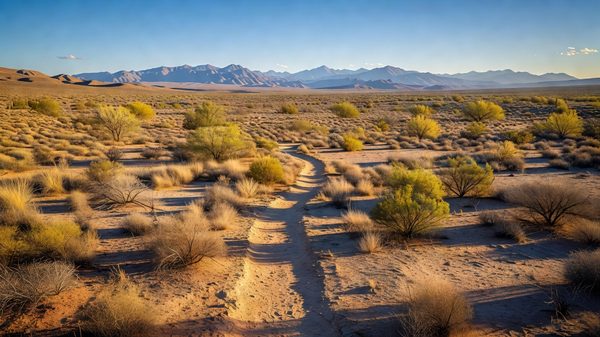
- Desert and southern parks are in their element. Death Valley’s main season runs from November into spring, and Joshua Tree, Saguaro and Everglades are comfortable by this point. Our guides to Death Valley, Joshua Tree and Saguaro cover cool-season visits.
- Eastern parks are in late fall. Great Smoky Mountains is open around the clock, every day of the year, though seasonal roads inside it close at different dates.
Weekday timing helps. Veterans Day falls on a Wednesday, so there is no long weekend attached, though some visitors will take the following Friday and the days around it. Arrive early at the popular desert parks, where free entry can still back up traffic at the gate.
The practical takeaway
Treat November 11 as a bonus, not a reason to build a trip. If you are a U.S. citizen or resident and already planning a fall desert or southern trip, schedule the park day for Wednesday and bring a photo ID for everyone aged 16 and up. If you are traveling with nonresidents, budget the full fee and the nonresident charge regardless of date. If you are a veteran, carry your proof of service and use the standing benefit any day you visit. Everyone else should check the park’s alerts page the week before, because road and facility closures change fastest in the weeks around the first snow.