The most common question first-time national park visitors ask after their first summer trip is some variation of: “Is it always like this?” They mean the parking lots full at 7 a.m., the shuttle queues that eat 40 minutes before the first step on a trail, the campsite lottery they lost in January, the Instagrammable viewpoint ringed with people holding phones on selfie sticks. Yes — at peak season, at the iconic parks, that is often exactly what it is like.
The answer is not to avoid the iconic parks. It is to go at a different time.
Shoulder season is the window on either side of peak — after summer crowds thin but before the park closes or conditions turn difficult, or in spring after snowmelt but before the summer surge arrives. The exact window varies meaningfully by park: Yellowstone’s shoulder is late September through early October, when the elk rut peaks and the thermal basins turn mystical in morning frost, while Joshua Tree’s shoulder is late October through November or mid-March through April, flanking the desert summer heat that makes most of the park inadvisable in July. Knowing the specific window for each park you want to visit is the central planning skill this guide is designed to give you.
What Shoulder Season Actually Means — and Why It Varies
The National Park Service does not define “shoulder season” as a formal term, and the visitation data make clear why: peak timing is not uniform. Great Smoky Mountains National Park — consistently the most-visited park in the US system, with roughly 12–13 million visits in recent years — sees its heaviest traffic in June and October, with July visitation somewhat lower due to heat at lower elevations. The Grand Canyon’s South Rim peaks in the summer months and drops sharply in November through February, but the shoulder windows on either side of summer (March–April and mid-October through November) offer genuinely different conditions than either peak or deep winter.
The variables that determine when a park’s shoulder season falls are:
Temperature floor. Desert parks (Joshua Tree, Zion, Grand Canyon inner canyon) have a summer heat ceiling that pushes peak season toward spring and fall. Mountain parks (Rocky Mountain, Glacier) have a winter snow ceiling that concentrates peak season into summer. Understanding which constraint shapes a park determines where the shoulder windows open.
School calendars. The steepest visitor count drops typically occur the week after Labor Day in September, when families return to school schedules. This creates a reliable shoulder window at almost every park in mid-to-late September, regardless of weather.
Reservation system design. Some parks with timed-entry systems (Glacier’s peak-season vehicle reservations on the Going-to-the-Sun Road corridor, Yosemite’s valley floor access reservations) see artificial demand cliffs when those systems turn off or transition. Knowing when a park’s reservation requirement ends or relaxes is part of the shoulder-season calculation.
Infrastructure seasonality. Road closures are the biggest planning variable at mountain parks. Going-to-the-Sun Road in Glacier, Trail Ridge Road in Rocky Mountain, Tioga Road in Yosemite, and the North Rim access road in Grand Canyon all close seasonally — and when they close, they take entire sections of the park with them. The shoulder is the window when these roads are still open but crowds have thinned. Miss the window and you lose the road entirely for months.
Park-by-Park Shoulder Season Windows
Yellowstone National Park
Fall shoulder: mid-September through mid-October. This is arguably the most rewarding shoulder window in the entire national park system. The summer crowds — which concentrate on the Madison, Old Faithful, and Canyon corridors — drop sharply after Labor Day. But what arrives in their place is the elk rut, running roughly mid-September through mid-October, with peak bugling activity in late September. Lamar Valley and Hayden Valley see bison herds moving with the season, and the thermal basins produce dramatically more visible steam columns as the ambient air temperature drops. Morning temperatures in September often fall into the 30s°F, which both thins the visitor count and makes the thermal features photogenic in ways that a 75°F July morning does not.
The hard constraint is the Interior loop roads. Yellowstone’s road system closes for winter in stages, with most interior roads closing by early November (exact dates vary year to year — check nps.gov/yell for current-year schedules). The five entrance roads that remain open through winter do not close until November. So the fall shoulder window — mid-September through late October — gives you full road access plus thin crowds.
Spring shoulder: early May through early June. This window is less celebrated but highly productive. Bears emerging from denning begin appearing in Lamar Valley in April, and wolf pack activity is visible before summer day-trippers arrive. The geothermal basins are also more active visually in cool spring air. Trade-off: some interior roads and high-elevation areas may still have snow in early May, and some lodges and services open on a rolling schedule through late May. Verify the current-year opening schedule at nps.gov/yell before finalizing dates.
The Yellowstone National Park visitor information page publishes road status updates in real time during the shoulder transition periods.
Grand Canyon National Park
Spring shoulder: March through mid-April (South Rim inner canyon). The South Rim itself is open year-round and sees crowds even in December, but the spring shoulder window offers the clearest combination of manageable crowds and comfortable inner-canyon hiking temperatures. Daytime highs at Phantom Ranch (at the canyon bottom) run 65–80°F in March and April, before the dangerous summer heat (110°F+ by June) makes inner-canyon hiking inadvisable without an extreme-heat permit plan. Bright Angel Trail and the South Kaibab route are usable down to the Colorado River in spring without the heat risk that rules them out in summer.
The North Rim Lodge and visitor services close for the season in mid-October. The access road (AZ-67) typically remains driveable into mid-November before full winter closure. The road reopens in mid-May, though exact dates vary annually by snowpack — check nps.gov/grca for the current year’s North Rim status before planning a May visit. For a combined South/North Rim trip, late May is the earliest reliable window to confirm North Rim access.
Fall shoulder: mid-October through November. The South Rim shuttle system remains running but with reduced frequency after the summer season; private vehicle access to Hermit Road reopens in December. Inner-canyon hiking in October is still warm (75–90°F at the bottom) but manageable for properly prepared hikers. Rim viewpoints in October see significantly fewer visitors than July, though weekends at Mather Point still draw crowds. The Kaibab Plateau turns gold and orange in late October as aspens and Gambel oak change color along the rim road.
See the Grand Canyon National Park page for rim access logistics and Phantom Ranch reservation details.
Yosemite National Park
Spring shoulder: April through mid-May. Yosemite Valley’s waterfalls reach their highest flow from snowmelt during late April and May — Bridalveil Fall and Yosemite Falls run at maximum volume, and seasonal falls that are dry by July (Sentinel Falls, Ribbon Fall) are active. This is genuinely one of the most spectacular times to be in Yosemite Valley from a visual standpoint, and the crowds are meaningfully lighter than the June–August peak.
The practical complication is Tioga Road (SR 120 through the high country, connecting to Tuolumne Meadows). Tioga Road typically opens in late May or early June, depending on snowpack. In high-snow years it can remain closed until mid-June. The spring shoulder therefore means valley-floor Yosemite — El Capitan, Half Dome from Valley View, Yosemite Falls, Mirror Lake — but not Tuolumne. For most first-time visitors, that trade-off is fine.
The Yosemite Valley peak-hours reservation system (which has operated in various forms since 2020 for day-trippers) typically requires a vehicle reservation during the summer window. In shoulder season — April through late May and mid-September through October — the reservation requirement is often relaxed or not in effect for valley floor access. Verify the current year’s policy at nps.gov/yose before visiting; the system has changed year-to-year.
Glacier National Park
Fall shoulder: mid-September through mid-October. Going-to-the-Sun Road — one of the most dramatic paved drives in North America — typically remains fully open through at least mid-September and often through early October before the NPS closes it for the season (weather-dependent; check nps.gov/glac for annual closure status). The fall window delivers the full road drive without the peak-season vehicle reservation system that has been in place during the summer months.
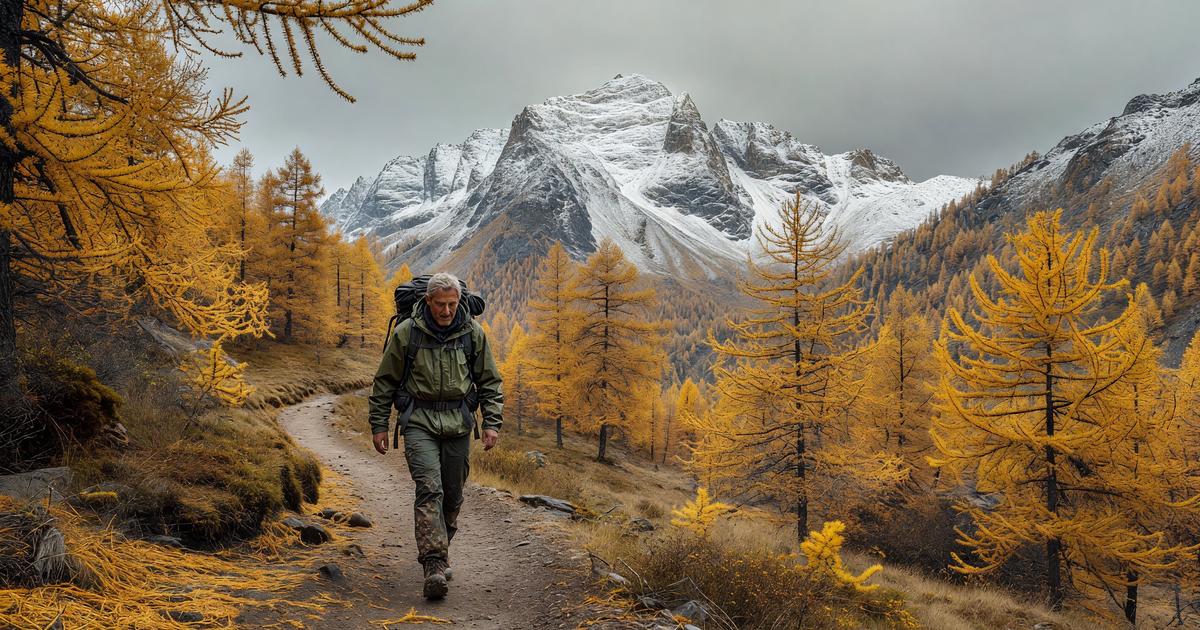
The western larch — a deciduous conifer found at mid-elevation on the park’s north-facing slopes — turns a brilliant gold in late September and early October. The larches concentrate around Many Glacier, Two Medicine, and in the North Fork area. This foliage event is the single most underrated fall color spectacle in the Mountain West.
Trade-off: mountain weather in October is genuinely variable. Snow can fall at Logan Pass (the high point on Going-to-the-Sun Road at 6,647 feet) at any point in September. Going-to-the-Sun Road can close temporarily and reopen based on weather. Have a backup plan that includes Many Glacier Valley, which is accessible by road later into the fall than the summit-road section.
See the Glacier National Park page for the Going-to-the-Sun Road reservation details and trailhead logistics.
Acadia National Park
Fall shoulder: late September through mid-October (foliage), and May (pre-season). Acadia’s fall window is among the most accessible on this list — no interior road closures, and the park’s compact size makes it forgiving if conditions shift. The Cadillac Summit Road vehicle reservation system (required from mid-May through mid-October) remains in effect during this shoulder window; reservations are available through Recreation.gov and are easier to obtain in late September than in peak summer, though sunrise slots still book fast. Once the reservation window closes in mid-October, the road reverts to first-come access (weather permitting).
The foliage in late September runs at higher elevations first — Cadillac Mountain summit, Dorr Mountain — before working down to the coastal lowlands and Jordan Pond area by early October. Even at the height of Columbus Day weekend (the busiest fall weekend in the park), Acadia is substantially less crowded than Yosemite or Glacier in summer.
May shoulder: The spring window at Acadia runs from early May through mid-May, before the Cadillac Summit Road reservation system activates. Visiting in the first two weeks of May lets you drive to the summit without a reservation. Mud season affects some carriage roads through April, but the paved roads and most trails are accessible by early May.
See the Acadia National Park page for the fall foliage timing breakdown and Summit Road reservation specifics.
Great Smoky Mountains National Park
Fall shoulder: November. The Smokies present a somewhat counterintuitive shoulder window. Most fall foliage guides focus on peak color in mid-to-late October — which at Great Smoky Mountains also produces peak crowds. Clingmans Dome Road and the Roaring Fork Motor Nature Trail can gridlock on October weekends. The shoulder is November: after peak foliage at the mid-elevation coves but while the park’s lower-elevation trails remain clear of snow. November typically brings dramatically fewer visitors, and the bare hardwood forest creates sight-lines into the coves that the leaf-canopy obscures in summer.
There are no vehicle reservation systems at Great Smoky Mountains, but parking areas at popular trailheads (Alum Cave Trail, Laurel Falls, Abrams Falls) fill before 9 a.m. on fall weekends. Arriving before 8 a.m. or visiting on weekdays substantially changes the experience.
Clingmans Dome Road typically closes December 1 through March 31, but November keeps it open. The road reaches 6,643 feet — the highest point in the park and the highest point in the Appalachian Trail’s range — and the cold-season views from the observation tower are particularly clear.
See the Great Smoky Mountains National Park page for parking strategy and waterfall trail logistics.
Joshua Tree National Park
Desert shoulder: late October through November, and mid-March through April. Joshua Tree’s planning logic is the inverse of mountain parks. The park sits at two elevation bands: the lower Sonoran Desert (around 1,000–2,000 feet, dominated by cholla and ocotillo) and the higher Mojave Desert (above 3,000 feet, with the Joshua trees and boulder formations). Summer brings 105–115°F temperatures in the lower desert, with heat warnings common from June through September. Peak season is October through May.
Within that five-month window, the true shoulder falls at the edges: late October through November (after the spring shoulder but avoiding the December–February wind chill period on the high desert) and mid-March through mid-April (spring wildflowers in the lower desert, often remarkable in high-rain years, before the summer heat builds). These windows offer the boulder scrambling, photography, and camping experience that the park is known for without competing for campsites against spring-break crowds or summer heat advisors.
No vehicle timed-entry system was in place as of 2024, but the park regularly fills to capacity on holiday weekends; parking at Skull Rock and Barker Dam trailheads fills before 10 a.m. on busy days.
See the Joshua Tree National Park page for photography routes and bouldering access points.
Zion National Park
Shoulder windows: November, and mid-March. Zion Canyon’s signature feature — the Narrows, Angels Landing, Observation Point — are all accessible with some form of permit in 2024 (Angels Landing requires a permit obtained through Recreation.gov lottery; The Narrows is permit-free from the bottom-up). The summer months, particularly June through August, bring extreme shuttle queue times (45+ minutes at peak) and temperatures in the canyon floor routinely above 100°F, which makes upcanyon hiking dangerous for most visitors.
November drops visitor volumes substantially, brings temperatures into the 50–65°F range (ideal for canyon hiking), and eliminates shuttle queues. The canyon shuttle runs on a reduced schedule in November, but the trade-off is uniformly favorable versus summer. The only downside is that some narrows hiking becomes inadvisable in cold weather (water temperatures in The Narrows drop to the 40s°F) without a dry suit rental.
March is the spring shoulder — warm enough (55–75°F in the canyon) for all major hikes, with lower crowds than April through Memorial Day. Water in The Narrows is cold but doable with neoprene socks and waterproof pants.
No vehicle entry reservation system was active at Zion as of 2024; the private vehicle restriction in the main canyon corridor (shuttle-only) is year-round for the canyon section.
Rocky Mountain National Park
Fall shoulder: October (before Trail Ridge Road closes). Trail Ridge Road — the highest continuous paved road in the United States, reaching 12,183 feet at its high point — typically closes for the season in mid-to-late October, depending on snowfall. The exact 2024 closing date was in the third or fourth week of October. Before that closure, the road offers tundra-level access with dramatically fewer visitors than the summer peak.
Rocky Mountain operates a timed-entry permit system during peak season for both the Bear Lake Corridor and the Trail Ridge Road corridor, running from late May through mid-October. The permit system typically ends in mid-October as visitation drops — meaning the last weeks of October give you Trail Ridge without the permit requirement. Verify current-year timing at nps.gov/romo.
October at Rocky Mountain also catches the end of the elk rut in the Kawuneeche Valley on the park’s western side and at Horseshoe Park near the Beaver Ponds. Bull elk are active and visible from the road. Morning temperatures at high elevation in October will be in the 25–40°F range; Trail Ridge Road visitors in October should carry full cold-weather gear regardless of valley temperatures.
See the Rocky Mountain National Park page for Trail Ridge Road access and the Bear Lake shuttle logistics.
Olympic National Park
Spring shoulder: May. Olympic’s three distinct ecosystems — the temperate rainforest (Hoh Rain Forest), the alpine zone (Hurricane Ridge), and the Pacific coast (Rialto Beach, Second Beach, Ruby Beach) — have different peak seasons but share a common shoulder in May. Hurricane Ridge, the most-visited section for many day visitors, sees its heaviest traffic in summer; May brings snow still possible on the ridge but mostly clear access roads, light crowds, and the full Cascades panorama without summer haze. The Hoh Rain Forest trails (Hall of Mosses, Hoh River Trail) run with higher water and dramatically lower visitor numbers in May than in July.
The coast strip — accessible on Highway 101 via Rialto Beach and Ruby Beach — is less season-dependent but May brings lower crowd pressure than summer while offshore winds remain moderate.
No timed-entry system was in place at Olympic as of 2024. The park’s size (nearly one million acres) naturally distributes visitors across multiple areas, reducing the bottleneck effect seen at more geographically constrained parks.
What Closes During Shoulder Season
Knowing the shoulder windows is only half the plan — knowing what will be closed is equally important.
| Feature | Typical Closure Window | Notes |
|---|---|---|
| Trail Ridge Road (Rocky Mountain) | Mid-October – late May | Exact dates weather-dependent; check nps.gov/romo |
| Going-to-the-Sun Road (Glacier) | Mid-October – late May | Partial openings for bicycles precede full vehicle opening |
| Tioga Road / Tioga Pass (Yosemite) | November – late May | In heavy-snow years can remain closed into June |
| North Rim Road (Grand Canyon) | Mid-November – mid-May | North Rim Lodge closes mid-October; access road stays open ~mid-November |
| Clingmans Dome Road (Smoky Mountains) | December 1 – March 31 | November remains open; park otherwise year-round |
| Cadillac Summit Road (Acadia) | No full closure (seasonal) | Reservation system ends mid-October; road stays open first-come through late fall |
| Yellowstone interior roads | Early November – April–May | Staggered opening/closing; 5 entrances and oversnow routes only in winter |
| Most in-park lodges | Various | Crater Lake Lodge, Many Glacier Hotel, Old Faithful Inn — all close by mid-October |
Lodge closures are often the biggest practical surprise. Old Faithful Inn — the most iconic lodging in the national park system — closes for the season in mid-October. Many Glacier Hotel at Glacier closes in September. Crater Lake Lodge closes in mid-October. The park does not close, but the in-park lodging does, which pushes visitors to gateway communities (West Yellowstone, Waterton, Crater Lake rim road access via US 97).
Reservation Systems During Shoulder Season
The evolving timed-entry and permit systems at high-demand parks have been the biggest visitor-experience change of the 2020s. In shoulder season, most of these systems are either relaxed or absent — but with important exceptions:
Acadia (Cadillac Summit Road): Required mid-May through mid-October. The fall shoulder overlaps with the active reservation window. Book through Recreation.gov. Exact end-of-season date varies annually — check nps.gov/acad for the current year’s schedule.
Yosemite: Peak-hours reservation requirement has varied year to year since 2020. In shoulder season (April–May, mid-September–October), the requirement has typically been absent or significantly narrowed. Confirm at nps.gov/yose before traveling.
Rocky Mountain (timed-entry permit): Required late May through mid-October for Bear Lake and Trail Ridge corridors. The October fall shoulder typically falls after the requirement ends — but confirm annually.
Glacier (vehicle reservation): Required in summer for the Going-to-the-Sun Road corridor. In shoulder season (September and mid-May before the full summer system activates), the requirement has typically not been in place. NPS has modified Glacier’s system year to year — verify at nps.gov/glac.
Zion (Angels Landing permit): Active year-round for Angels Landing specifically. The overall timed-entry system is not in place, but the Angels Landing permit lottery runs daily through Recreation.gov regardless of season.
Yellowstone: No park-entry reservation system. Campsite and backcountry permits are managed separately.
Packing for Shoulder Season
The single most common preparation mistake in shoulder season is dressing for the valley, not the park. Mountain parks — Rocky Mountain, Glacier, Yosemite, Olympic — can see snow at elevation at any point from September through June. A sunny 65°F morning in Estes Park does not predict conditions on Trail Ridge Road, where afternoon thunderstorms are possible even in September and wind chill can push apparent temperatures into the 20s°F.
For any shoulder-season park visit involving elevation above 8,000 feet:
- Insulating mid-layer (fleece or down jacket) even on warm forecast days
- Waterproof outer shell — afternoon thunderstorms are common in fall in the Mountain West
- Sun protection — UV intensity at elevation is significantly higher than at sea level; shoulder-season visitors often underestimate this because the air feels cool
- Traction devices (microspikes or Yaktrax) if visiting after mid-October at Rocky Mountain, Glacier, or Yellowstone — snow can be present on paved paths and parking lots
For desert park shoulder visits (Joshua Tree, Zion inner canyon, Grand Canyon inner canyon):
- Cold-weather layers for mornings. Desert shoulder season means diurnal temperature swings of 40–50°F. Nights in October–November at Joshua Tree can drop below 30°F even when afternoon highs reach 65°F.
- Water carrying capacity. Shoulder season does not eliminate desert dehydration risk. Water sources along the inner canyon trails are seasonal; carry a minimum of 2–3 liters per person on any canyon descent.
Frequently Asked Questions
When is the least crowded time to visit national parks in general?
The lowest-crowd windows across most parks are mid-January through February (winter off-season), though many mountain parks have limited access during this period. The most reliable low-crowd windows that combine accessibility and reasonable conditions are: mid-September to mid-October (fall shoulder, most parks), and early to mid-May (spring shoulder, most parks). The week immediately after Labor Day is typically the single sharpest attendance drop of the year across almost all parks.
Do I need reservations in shoulder season?
It depends on the park and the specific feature. Most park timed-entry and vehicle reservation systems are active from roughly Memorial Day through Labor Day and are either absent or reduced in shoulder season. Key exceptions: Acadia’s Cadillac Summit Road reservation system runs through October 25; Zion’s Angels Landing permit is year-round; Yosemite’s day-use reservation system has operated at varying intensity including some shoulder-season windows. Always verify the specific park’s current-year reservation requirements at nps.gov before traveling.
Is shoulder season safe for hiking?
Generally yes, with planning. The primary risk is weather variability at elevation: shoulder-season snowstorms can close trails and roads unexpectedly at mountain parks. Check the park’s current conditions page (accessible through nps.gov) 48–72 hours before your hike, carry layers, and have an alternative plan if conditions deteriorate. Desert shoulder season carries heat risk in the mornings at lower-elevation southern parks through October.
What’s the best shoulder-season park for families with young children?
Acadia in May or late September is the consistently highest-rated family shoulder option: compact geography, paved carriage roads for biking and walking, no timed-entry requirement in spring, and a manageable scale that lets younger hikers cover meaningful terrain. Great Smoky Mountains in November is also excellent for families — no reservation systems, free entrance (the only major national park without an entrance fee), and accessible waterfalls and cove trails within range of shorter legs.
Will roads be open during shoulder season?
Most paved park roads are fully open in shoulder season, with the exceptions noted in the closure table above. The specific closing dates for Trail Ridge Road, Going-to-the-Sun Road, and Tioga Road are weather-dependent and vary year to year by days to weeks. The NPS posts road status updates at each park’s website — check the current conditions and road status pages for any mountain park visit planned in October or May, as these roads can close and reopen multiple times before final seasonal closure.
How far in advance should I book shoulder-season travel?
Lodging in gateway communities (Gardiner and West Yellowstone for Yellowstone, Whitefish for Glacier, Gatlinburg for Smoky Mountains, Bar Harbor for Acadia) should be booked 3–6 months in advance for fall shoulder weekends — the same gateway towns that serve peak-season visitors also see high shoulder occupancy. In-park lodges that remain open through early fall (like Canyon Village at Yellowstone, Lake Lodge, and Grant Village) typically take reservations 13 months in advance through Xanterra. Campsites through Recreation.gov open 6 months in advance for most frontcountry sites.
The National Parks Conservation Association publishes annual advocacy reports on overcrowding and access at major parks, which include useful data context on visitation trends by season.
Seasonal road dates cited throughout this guide reflect conditions in 2024 and historical patterns; specific opening and closing dates vary annually with weather conditions. Always verify current-year schedules at the relevant park page on nps.gov before finalizing travel plans. Not sure which park to target first? The First-Time Visitor Guide: Which National Park Should You Pick? covers the full decision framework — time available, season, physical ability, interests, and starting city — before you commit to any logistics.